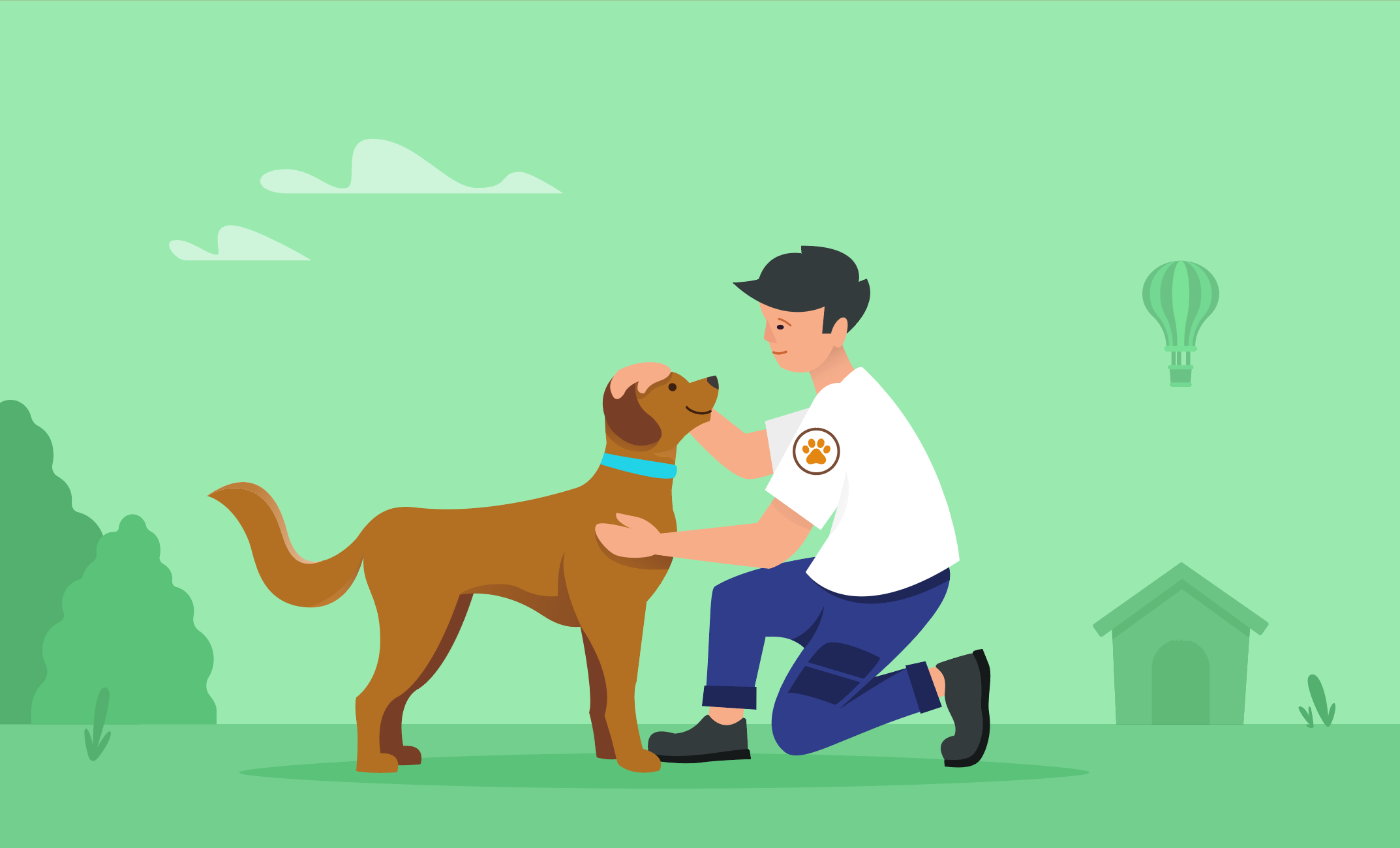
Emergency Rescue and Recovery

Rescuing Animals. Restoring Hope. Protecting Life.

Rescue Compassion is dedicated to helping injured, abandoned, and vulnerable animals through rescue, rehabilitation, awareness, and community support.

Our homepage introduces the full journey behind that work, from urgent first response and medical stabilization to long-term recovery, prevention, and public education. Visitors can quickly understand what rescue teams do, why humane handling matters, and how community action directly changes outcomes for animals in distress.

100+Animals supported through rescue, treatment, monitored recovery, and compassionate aftercare planning.
20+Awareness activities focused on prevention, safe reporting, responsible ownership, and humane response.
50+Volunteer hours supporting transport, feeding, shelter care, communication, and rescue coordination tasks.
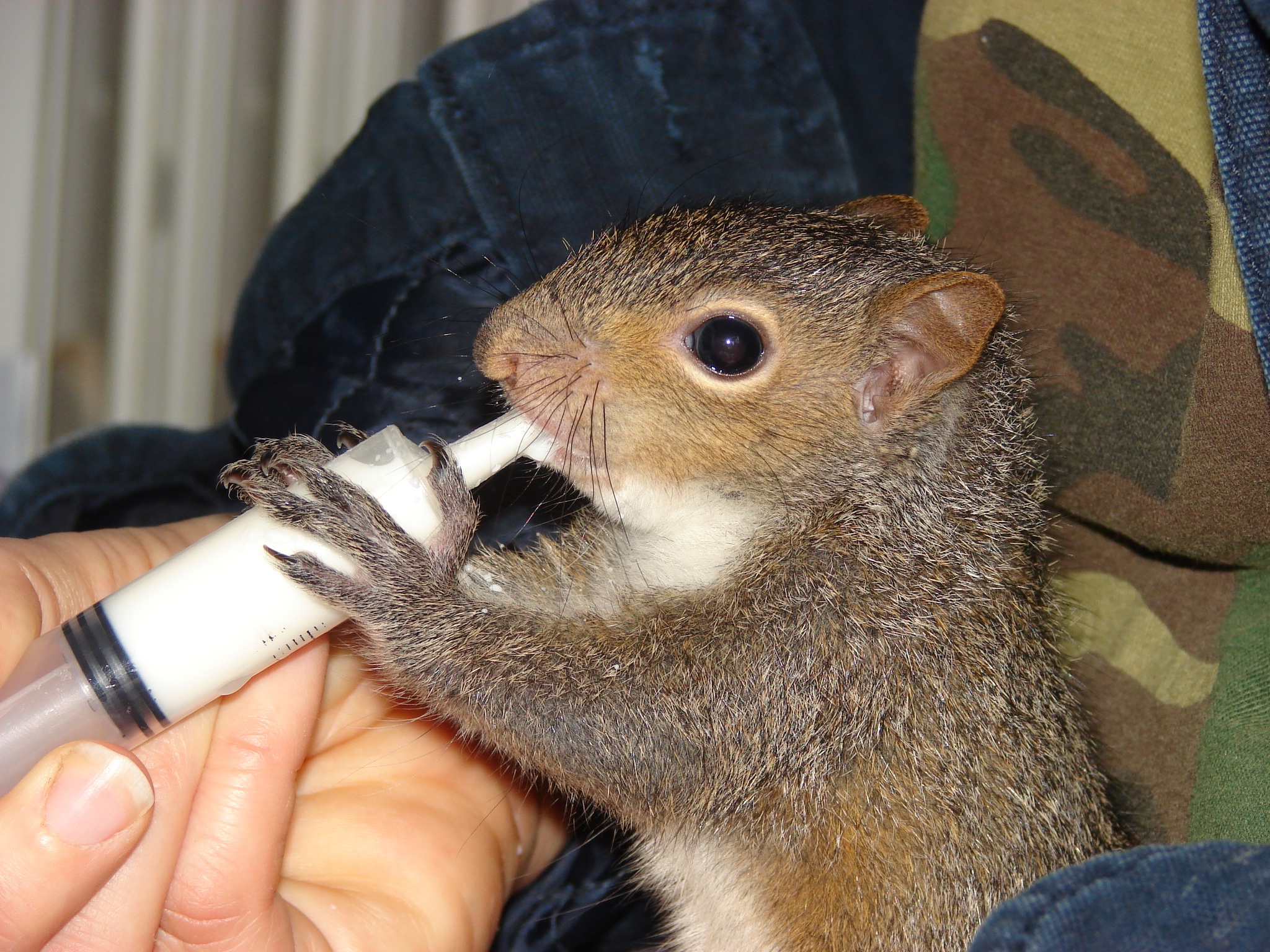
Hero Visual Animal rescue team helping a vulnerable animal during an emergency response
Our Mission Rescue team working together to protect and rehabilitate animals
Our Mission

Protecting animals through rescue, rehabilitation, and public awareness.

Rescue Compassion exists to respond to animals in distress with calm, informed, and humane action. Our mission is not only to rescue animals in immediate danger, but also to build awareness around responsible care, safe reporting, and long-term rehabilitation.

We focus on strengthening the connection between communities and animal welfare so students, parents, volunteers, and animal lovers understand how to recognize risk, respond safely, and support better outcomes for domestic animals and wildlife.

That mission also includes education. Many animals suffer because people are unsure whether to intervene, how to report, or what early warning signs mean. By making rescue knowledge easier to understand, we help communities respond sooner, avoid harmful mistakes, and protect animals with more confidence and compassion.
What We Do

Practical support across the full rescue journey.

Every rescue category requires a different response. Our work covers emergency rescue, stabilization, rehabilitation, education, and responsible placement.

The sections below explain the main types of support we provide so visitors can see that rescue is not one action, but a coordinated chain of observation, transport, treatment, recovery, and long-term welfare planning.

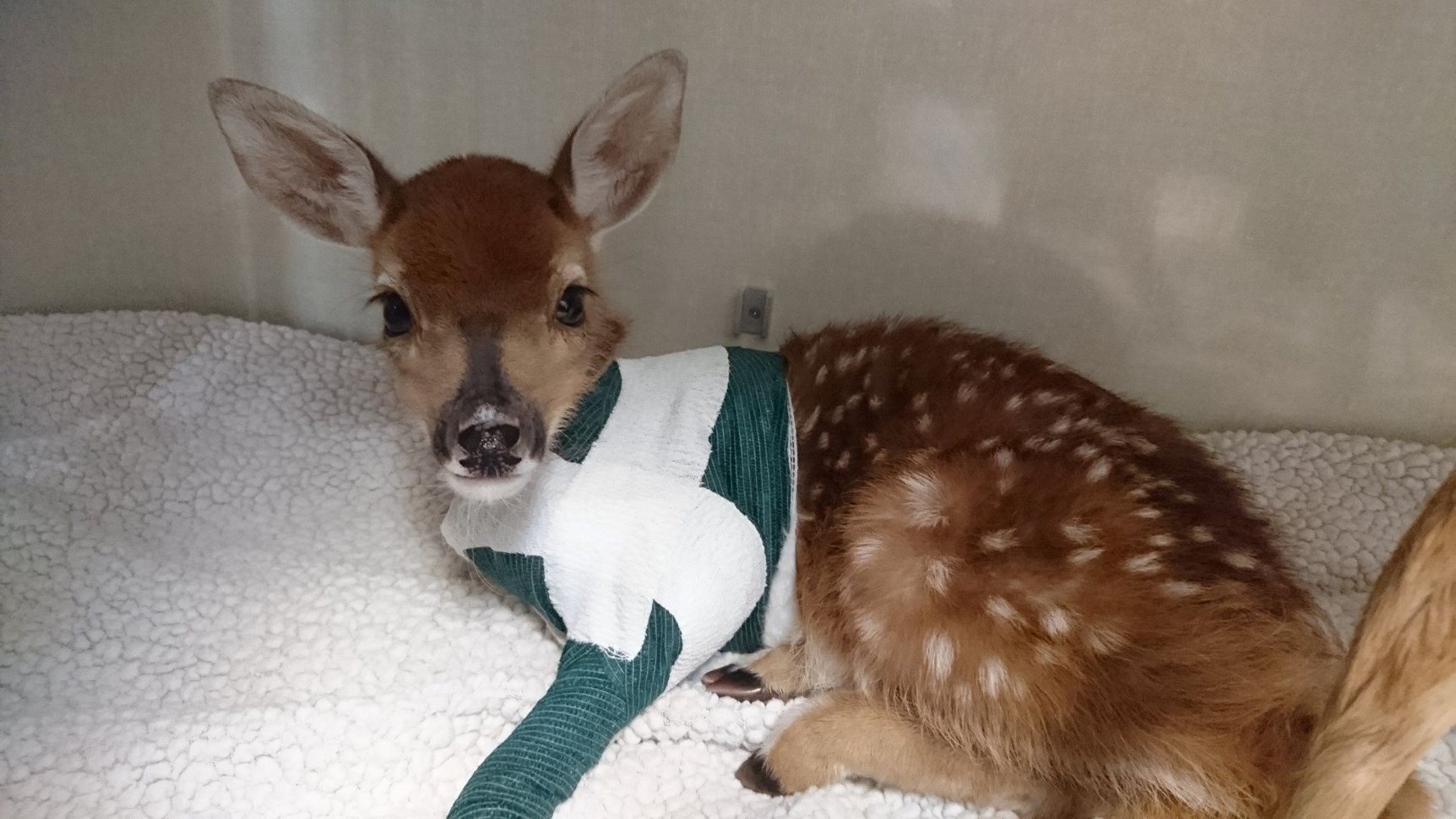
Rescue Injured AnimalsRescued injured animal receiving urgent care and support

Rescue Injured Animals

We respond to reports of injured dogs and other animals that need urgent help, safe transport, and triage planning.

This includes calming the scene, reducing further harm, and helping the public understand when to wait for trained support instead of attempting unsafe handling.

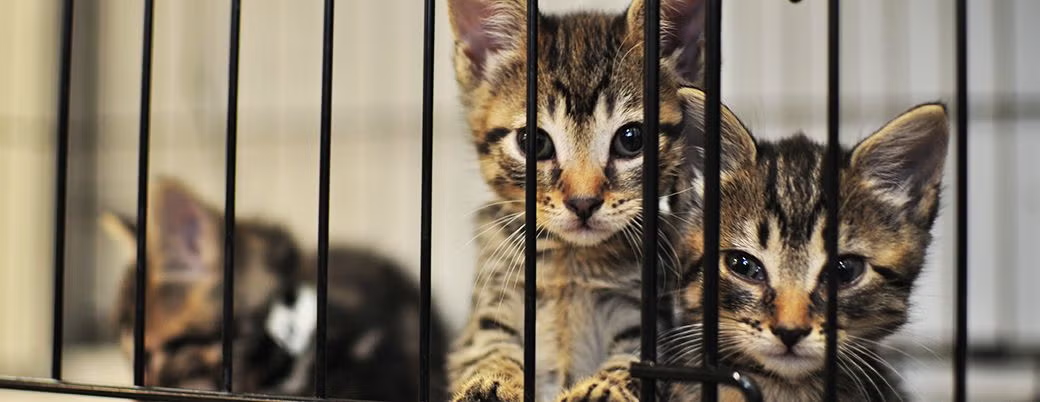
Abandoned PetsAbandoned pet being sheltered and supported with food and care

Support Abandoned Pets

We help abandoned pets find safety, food, medical care, and a more secure path toward foster support or rehoming.

Abandonment often leads to dehydration, infection, fear, and traffic risk, so early support can make the difference between short-term rescue and long-term suffering.

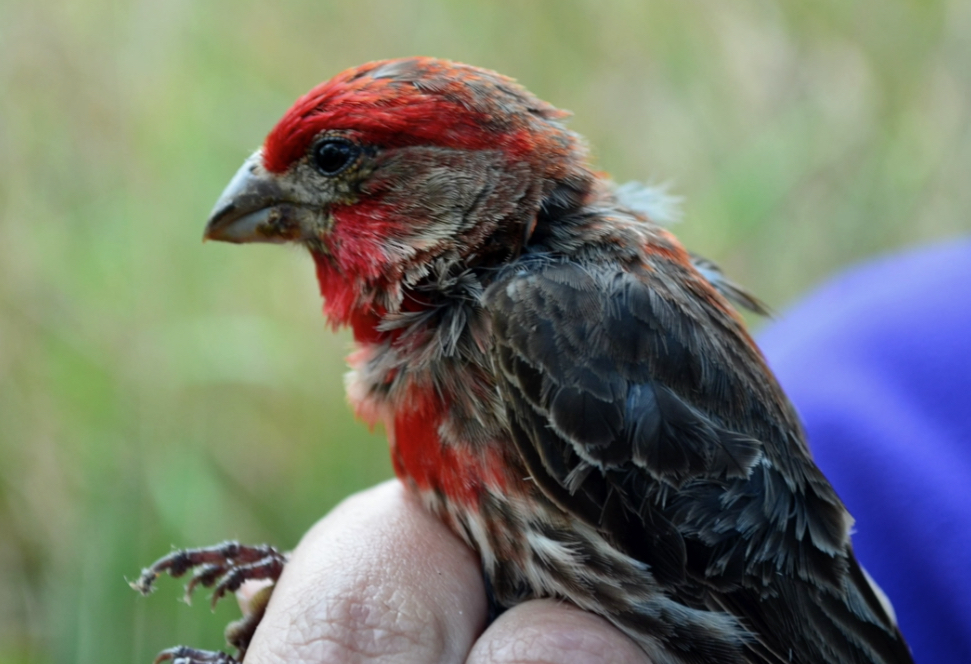
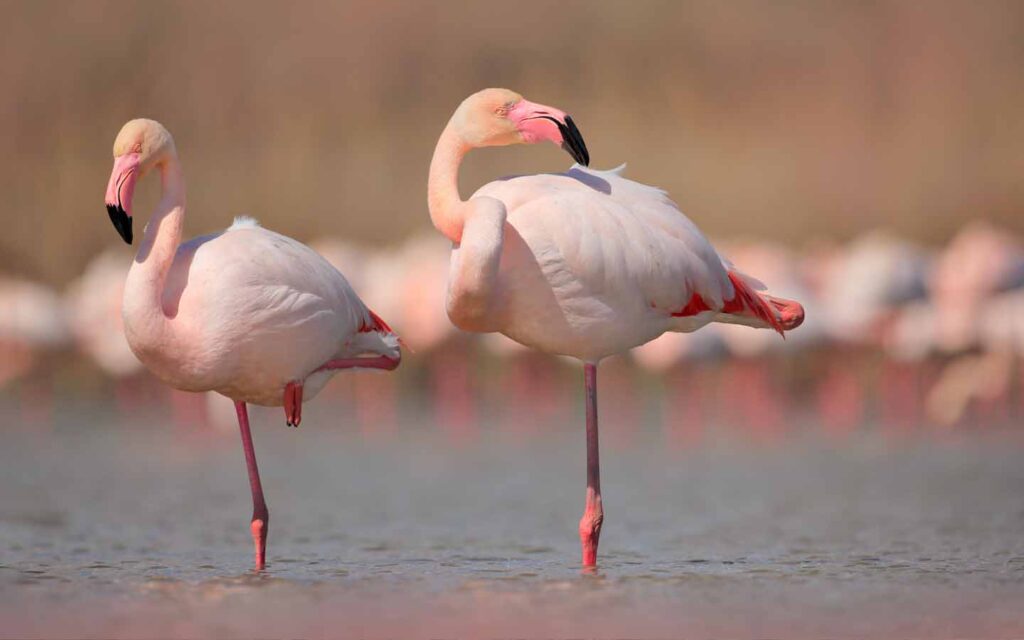
Bird RecoveryInjured bird receiving recovery care in a calm environment

Help Injured Birds

Bird rescue often depends on quick stabilization, quiet housing, hydration, and species-appropriate care to reduce stress.

Because birds decline quickly when frightened or mishandled, careful observation and low-stress recovery conditions are especially important in these cases.

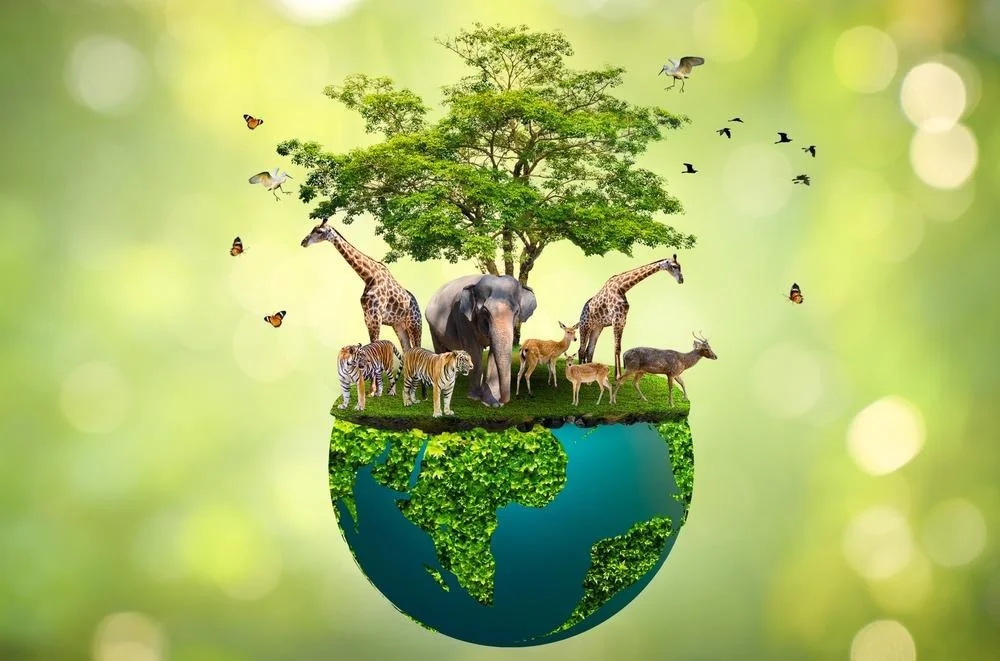
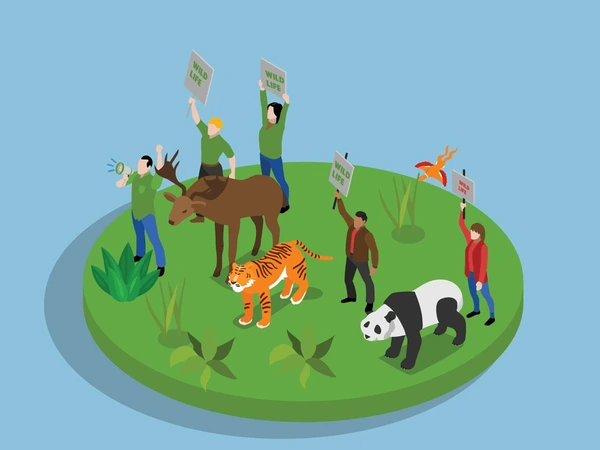
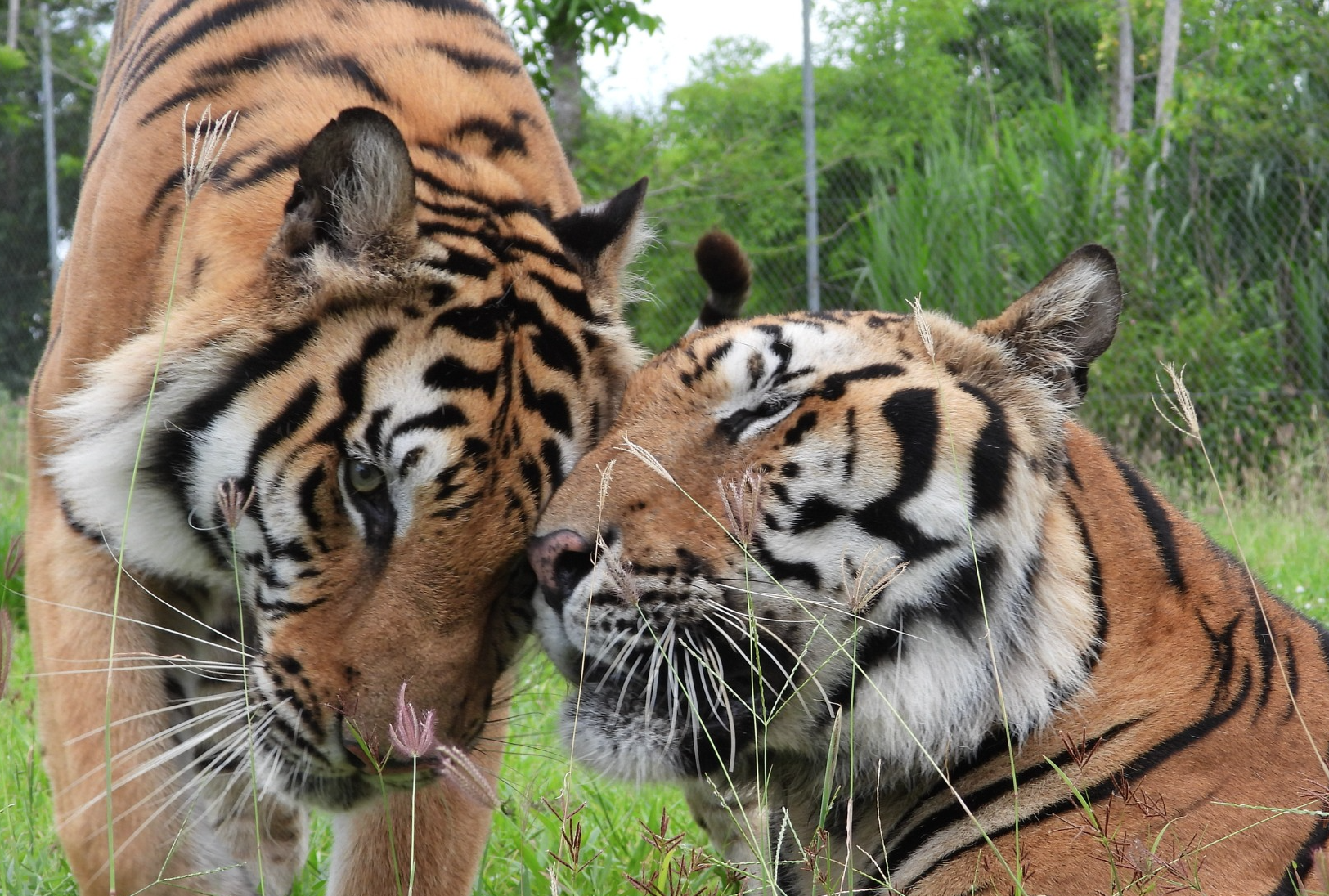
Wildlife ProtectionWildlife protection image showing safe support for a wild animal

Wildlife Protection

We promote safe reporting and species-aware intervention so wildlife can be protected without unnecessary human handling.

Our guidance helps people distinguish between true emergencies and situations where distance, documentation, and expert advice are the safest response.

Rehabilitation CareAnimal rehabilitation care with treatment and monitored recovery

Rehabilitation Care

Our rehabilitation work focuses on healing, nutrition, strength recovery, emotional calm, and readiness for release or rehoming.

Rehabilitation is where rescue becomes sustainable, because survival alone is not enough if the animal cannot regain stability, health, and safe future placement.

Community AwarenessCommunity awareness activity focused on animal rescue education

Community Awareness

We raise awareness about responsible care, humane rescue, and the everyday choices that prevent animal suffering.

Awareness campaigns help reduce neglect, improve reporting quality, and encourage communities to think about prevention, not only emergency response.

Impact Statistics

Visible care, measurable support, and growing community action.

100+

Animals supported through direct rescue and follow-up care.

20+

Awareness activities designed to improve humane community response.

50+

Volunteer hours invested in practical, hands-on support.

6

Rescue categories covered across pets, birds, wildlife, and recovery care.

Rescue Process

How animals move from crisis to stability.

Our rescue process combines urgent action with structured care so no step is rushed and no animal is handled without a clear welfare plan.

For visitors who are new to rescue work, this process is important because it shows that effective animal welfare depends on sequence, judgment, and follow-through, not only good intentions.

01

Report

Community members report concerns with location details, visible condition, and safe observations.

Accurate first reports save time and allow responders to prepare the right equipment, transport plan, or advice before arriving.

02

Assess

We determine whether the animal is injured, displaced, trapped, dehydrated, or otherwise in immediate need.

Assessment helps separate urgent emergencies from situations that require patience, monitoring, or specialist wildlife guidance.

03

Rescue

Responders use calm, safe handling and transport methods that reduce stress and prevent further harm.

The goal is not speed alone, but safe retrieval that protects both the animal and the people trying to help.

04

Treat

Animals receive triage, hydration, wound care, veterinary input, and short-term stabilization.

Early treatment often focuses on immediate survival needs before longer medical and behavioral recovery can begin.

05

Rehabilitate

Recovery plans focus on nutrition, shelter, strength-building, stress reduction, and normal behavior.

This stage may take time, because real recovery means helping the animal regain health, function, and confidence.

06

Release or Rehome

Once an animal is ready, we prepare for release, sanctuary care, foster placement, or responsible adoption.

A successful ending depends on choosing the safest long-term outcome, not simply the fastest way to close a case.

Featured Care Gallery

Scenes from rescue, treatment, and community support.

The gallery below shows the kind of visual storytelling that can later be filled with real field photography, shelter documentation, and awareness campaign imagery.

For viewers, images like these make rescue work easier to understand because they show the environments, people, and care stages that written explanations alone cannot fully capture.

Call to Action

Every rescue story depends on people who choose to act.

Whether you volunteer, donate supplies, foster, report an injured animal, or simply help spread awareness, your action makes rescue work faster, safer, and more effective.

Many people want to help but are unsure where to begin. This section is here to make that decision easier by showing that meaningful support does not require one perfect role, only a willingness to contribute in a practical and reliable way.

Volunteer

Support feeding, transport, cleaning, awareness activities, and the everyday tasks that keep rescue work organized.

Donate

Help cover food, medical supplies, recovery bedding, transport needs, and emergency care costs.

Report

Share accurate details when an animal needs urgent help, safe intervention, or follow-up monitoring.

Support Visual Volunteer and donor support for animal rescue work