
How to Help
Rescue work grows stronger when the community participates.
There are many practical ways to support rescued animals, from emergency reporting and transport to awareness campaigns and long-term foster care.
Whether someone has time, supplies, money, skills, space at home, or simply the ability to share accurate information, there is a meaningful role they can play. The guidance below explains how each type of support works and what rescue teams usually need most.
This page is designed to help visitors understand that useful support comes in many forms. Not everyone rescues animals directly, but many people can still play a real part in making rescue work safer, faster, and more sustainable.


Volunteer
Volunteers can support transport, shelter cleaning, feeding schedules, public events, data entry, and humane community outreach. Even a few hours of reliable support can reduce pressure during rescue-heavy periods.
People who want to volunteer should usually begin by contacting the rescue team with their availability, location, transport access, and any useful skills such as animal handling, photography, administration, event support, or social media. A good volunteer process should match each person to tasks they can perform safely and consistently.
Volunteering matters because rescue teams often depend on practical, repeated support, not only emergency enthusiasm. Reliable help can keep the whole system functioning more smoothly.
- Ask what roles are currently needed most before offering general help.
- Attend orientation on hygiene, safe handling, emergency procedures, and reporting rules.
- Choose realistic shifts so the team can rely on your support.
- Follow instructions closely around injured, frightened, or unknown animals.
- Tell the coordinator early if you cannot attend a scheduled duty.

Donate
Food, medicine, crates, blankets, disinfectant, and emergency veterinary care all require funding. Financial and in-kind donations help rescue teams respond faster and provide consistent rehabilitation support.
Donors should first ask what is currently needed, because urgent rescue work changes quickly. At one time the team may need kitten formula, dog food, carriers, or wound supplies; at another time the priority may be transport fuel, sterilization costs, or emergency veterinary bills. If you are unsure whom to donate to, donate directly to the rescue organization, an approved foster coordinator, or a veterinary clinic partner handling the animal's treatment.
Good donations are effective because they respond to real needs instead of guesswork. The most helpful support is the kind that arrives in the right form at the right time.
- Ask for a current needs list before buying supplies.
- Confirm where donations should be delivered and who will receive them.
- Choose sealed, safe, species-appropriate food and usable medical items only.
- When donating money, ask whether it supports rescue, treatment, food, foster, or sterilization.
- Keep receipts when possible so the team can track support transparently.

Foster
Temporary foster homes give recovering animals a safe place away from crowded environments. Foster support is especially valuable for young, healing, elderly, or emotionally fragile animals.
Fostering usually means providing short-term housing, calm observation, routine feeding, and updates to the rescue team until the animal is medically stable or ready for adoption. Foster homes do not have to be perfect, but they should be safe, clean, secure, and able to separate the rescued animal from other pets when required.
For many animals, fostering becomes the bridge between emergency survival and long-term recovery. It gives them space to heal in ways that busy shelter environments sometimes cannot provide.
- Ask what age, size, and medical condition of animal you can safely host.
- Prepare a quiet room, crate, bedding, bowls, and cleaning supplies before intake.
- Follow the rescue team's feeding, medicine, and isolation instructions exactly.
- Report changes in appetite, energy, breathing, wounds, or behavior quickly.
- Understand whether the rescue covers medical care, food, and transport.
Adopt Responsibly
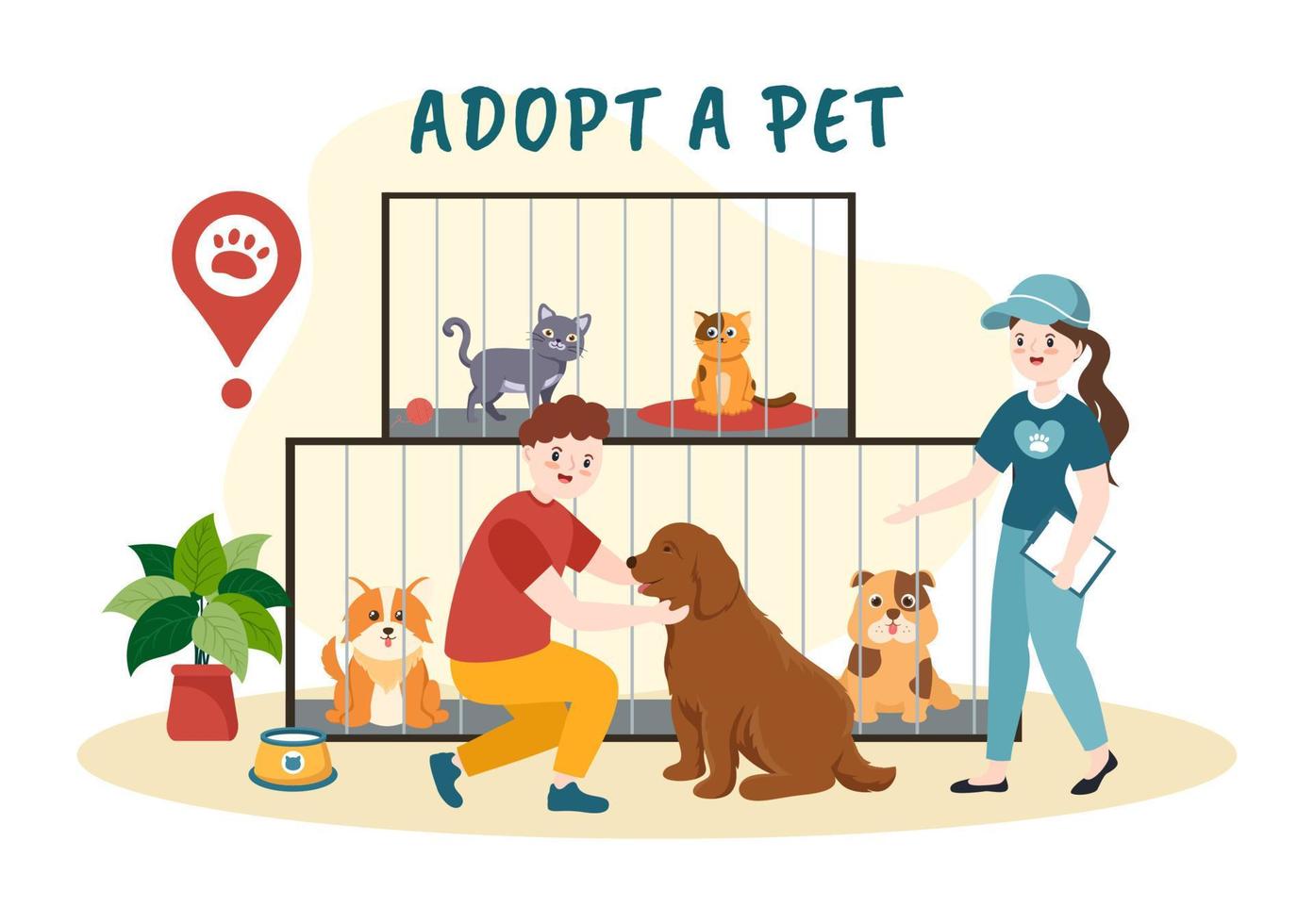
Adoption should always match the needs of the animal with the readiness of the home. Responsible adoption reduces repeat abandonment and helps rescued animals move into stable futures.
Before adopting, families should think honestly about time, cost, patience, travel, landlord approval, household allergies, children, and existing pets. A rescue animal may need adjustment time, training, follow-up treatment, or behavior support. Adoption works best when people choose an animal they can care for long term instead of choosing only by appearance or emotion.
Responsible adoption is important because a rescue is not truly complete if the animal enters another unstable situation. Good placements protect both the animal and the adopting family.
- Ask about the animal's age, temperament, medical needs, and routine.
- Prepare food, bedding, transport, and a settling area before arrival.
- Plan for vaccination, sterilization, regular vet care, and emergencies.
- Allow decompression time instead of forcing immediate interaction.
- Contact the rescue promptly if serious issues arise after adoption.
Report Animals in Need
One of the most important ways to help is sharing clear, calm, accurate information when an animal is injured, trapped, weak, abandoned, or in immediate danger.
A useful report should tell responders exactly where the animal is, what kind of animal it is, what condition it appears to be in, and whether the scene is safe. A short, factual report is better than a dramatic one. If possible, stay nearby at a safe distance until help arrives, but do not chase, corner, or handle the animal unless the rescue team specifically tells you to do so.
Good reporting saves time and helps responders arrive better prepared. Clear information can reduce confusion, improve safety, and increase the chances of a successful rescue.
- Share the exact location, nearest landmark, and time you saw the animal.
- Describe injuries, mobility, alertness, and whether the animal can stand or flee.
- Send clear photos or short video only if it does not increase stress.
- Say whether traffic, dogs, crowds, heat, or water create extra danger.
- Keep children and pets away while waiting for instructions.

Spread Awareness
Sharing accurate rescue information, safe response tips, and humane care messages can prevent avoidable suffering and encourage more responsible choices.
Awareness work matters when it is specific and responsible. People can help by posting verified rescue contacts, explaining safe first-response steps, promoting sterilization and adoption, and correcting harmful myths about street animals and wildlife. Clear communication helps communities support rescue instead of interfering with it.
Awareness is often one of the strongest forms of prevention. When people know what to do, what not to do, and where to report, fewer animals are left without help.
- Share verified contact numbers, location details, and rescue advice only.
- Use respectful language that encourages help instead of blame or panic.
- Promote sterilization, vaccination, adoption, and humane treatment.
- Ask permission before posting sensitive rescue images or private details.
- Repeat practical guidance people can act on immediately.

Student Involvement
Students can organize awareness posters, educational presentations, donation drives, and social campaigns that help build long-term rescue culture in schools and communities.
Student groups are especially effective when they work with teachers, parents, and local rescue partners. Schools can support collection drives, awareness days, poster campaigns, fundraising events, and supervised volunteering. Students should focus on safe, age-appropriate tasks and avoid unsupervised animal handling unless trained adults are present.
Student involvement is valuable because it builds long-term change. Young people who learn humane rescue values early often carry that responsibility into families, schools, and future communities.
- Work with a teacher or school adviser before launching a project.
- Choose one focused goal such as food collection, fundraising, or awareness.
- Invite a rescue worker or veterinarian to speak when possible.
- Create posters and presentations with practical, verified information.
- Track results so students can see the impact of their effort.
Help Options Gallery
Support roles that keep rescue work moving.
The gallery below shows the range of practical support areas that often sit behind successful rescue work, from direct care to logistics and public education.
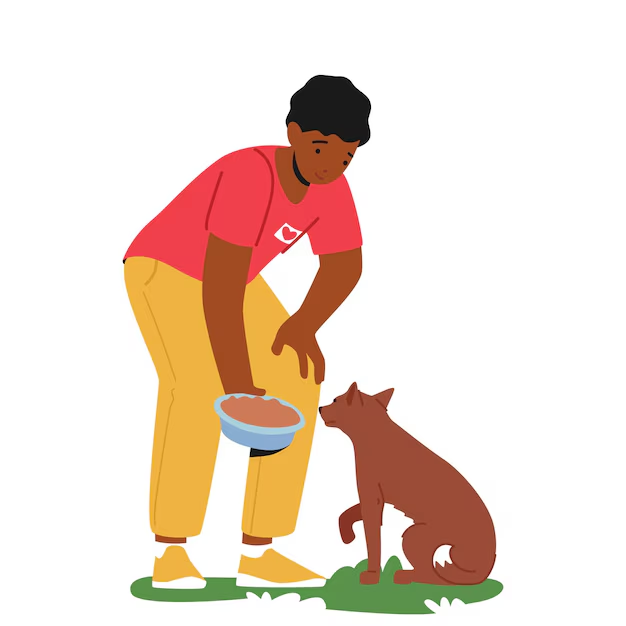
Food Donation
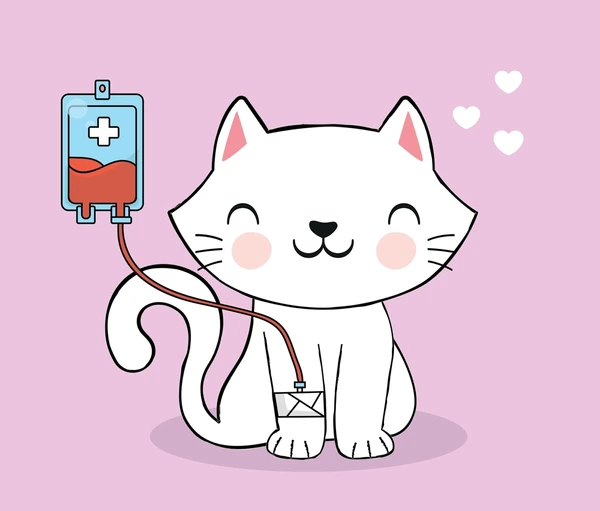
Medical Donation

Temporary Foster Care

Adoption Support

Awareness Campaign

Rescue Transport